
Unusual Amino Acids: 2,4-Diaminobutyric Acid (Dab)

Dab

2,4-Diaminobutyric acid (Dab) is a fascinating non-proteinogenic diamino acid that has garnered significant attention in peptide chemistry and biomedical research. Structurally characterized by the presence of two amino groups at the alpha and gamma positions of a four-carbon backbone, this unusual amino acid serves as a versatile building block for creating peptides with unique structural and functional properties. Unlike standard amino acids encoded by the genetic code, Dab must be incorporated into peptides through specialized synthetic strategies, making it a valuable tool for researchers seeking to introduce additional charge, hydrogen-bonding capacity, or conformational constraints into their peptide sequences. Its biological significance extends beyond synthetic utility, as Dab occurs naturally in various organisms and exhibits interesting pharmacological activities, including interactions with neurotransmitter systems and potential anticancer properties.


Key Takeaways

  • 2,4-Diaminobutyric acid (Dab) is a non-proteinogenic diamino acid with the molecular formula C4H10N2O2 and a structure featuring amino groups at both the 2-position (alpha) and 4-position (gamma) of the butyric acid backbone.
  • Dab exists as two stereoisomers, L-Dab and D-Dab, which exhibit markedly different biological activities. The S(+) isomer is at least 20 times more potent than the R(-) isomer at inhibiting GABA uptake in neuronal tissues.
  • In peptide synthesis, Dab requires orthogonal protecting group strategies, commonly using derivatives like Dde-Dab(Fmoc)-OH, to enable selective deprotection and site-specific functionalization during solid-phase peptide synthesis.
  • Dab-containing peptides have demonstrated antitumoral activity against human glioma cells, attributed to concentrated uptake leading to osmotic cellular lysis.
  • The incorporation of Dab into cyclic dipeptides enables the formation of conformationally constrained structures, such as 5-membered lactam rings, which are valuable for studying protein structure-function relationships.

Chemical Fundamentals of 2,4-Diaminobutyric Acid

Definition and Structural Characteristics of Dab

2,4-Diaminobutyric acid is formally defined as a diamino acid derived from butyric acid, wherein hydrogen atoms at positions 2 and 4 are replaced by amino groups. Its molecular formula is C4H10N2O2, with an average mass of 118.13 g/mol. The compound features an alpha amino group adjacent to the carboxylic acid and a gamma amino group at the end of the aliphatic chain, creating a structure with two positively charged centers at physiological pH. This dual cationic character distinguishes Dab from standard amino acids and imparts unique physicochemical properties, including enhanced water solubility and the ability to participate in multiple hydrogen-bonding interactions.

Isomeric Forms and Stereochemistry

A critical aspect of Dab chemistry is its existence as two distinct stereoisomers due to the chiral center at the alpha carbon. The L-isomer (S-configuration) and D-isomer (R-configuration) exhibit profound differences in their biological activities. Research has demonstrated that S(+)-2,4-diaminobutyric acid is approximately 20 times more potent than the R(-) stereoisomer as an inhibitor of sodium-dependent GABA uptake in rat brain slices. Interestingly, both isomers display equipotent inhibition of sodium-independent GABA binding to brain membranes, suggesting that the stereospecificity relates specifically to transporter interactions rather than receptor binding. This stereochemical discrimination underscores the importance of using the correct isomer when designing Dab-containing peptides for neurobiological applications.

Find out more about peptide synthesis here.

Dab Applications in Peptide Synthesis

Orthogonal Protection Strategies

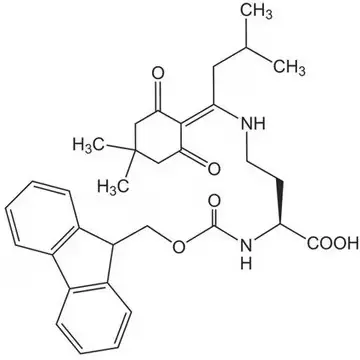
The incorporation of Dab into synthetic peptides presents unique challenges due to the presence of two reactive amino groups that must be differentially protected during solid-phase peptide synthesis (SPPS). Commercial suppliers offer specialized derivatives such as Dde-Dab(Fmoc)-OH (CAS 1263045-85-7), which features both Dde and Fmoc protecting groups. This orthogonal protection scheme allows for selective deprotection of the N-terminal Fmoc group during chain assembly while maintaining the Dde protection on the side chain amino group. Consequently, researchers can achieve site-specific functionalization of the Dab residue after peptide synthesis is complete, enabling the creation of branched peptides, cyclic structures, or conjugates with fluorophores or other probes.

Formation of Conformationally Constrained Peptides

Dab serves as an exceptional building block for introducing conformational constraints into peptide structures. When incorporated into peptide sequences, the gamma amino group can participate in cyclization reactions to form 5-membered lactam rings. Research has demonstrated that Boc derivatives of 2,4-diaminobutyric acid can be used to synthesize cyclic dipeptides that serve as substrates for incorporation into proteins using modified ribosomal systems. These conformationally constrained analogues provide valuable tools for studying protein folding, enzyme-substrate interactions, and the structural requirements for biological activity. The ability to lock peptides into specific conformations through Dab-mediated cyclization has important implications for drug discovery and the development of peptide-based therapeutics.
Dab
Dde-Dab(Fmoc)-OH

Biological Significance and Pharmacological Activity of Dab

Interaction with GABAergic Systems

One of the most extensively studied biological activities of Dab relates to its interaction with the GABA neurotransmitter system. As a structural analogue of gamma-aminobutyric acid, Dab acts as an inhibitor of sodium-dependent GABA uptake in neuronal tissues. This property has made Dab-containing peptides valuable pharmacological tools for investigating GABAergic neurotransmission and developing potential therapeutic agents for neurological disorders. The stereospecificity of this inhibition, with the S(+) isomer being substantially more potent, highlights the importance of chiral purity in Dab-based research compounds.

Anticancer Properties

Emerging evidence suggests that Dab possesses antitumoral activity, particularly against glioma cells. The compound is transported into cells by the System A amino acid transporter, and its concentrated uptake in glioma cells can lead to osmotic lysis. This mechanism exploits the enhanced metabolic demands of cancer cells and their increased expression of amino acid transporters. The potential for Dab to serve as a selective anticancer agent, especially against brain tumors, represents an exciting avenue for therapeutic development. Researchers exploring this application rely on custom peptide synthesis services to create Dab-containing compounds with optimized pharmacokinetic properties.

Find out about high-speed RUSH synthesis.

Frequently Asked Questions (FAQ)

What is the difference between 2,4-diaminobutyric acid and ornithine?

Both are diamino acids, but they differ in chain length. 2,4-Diaminobutyric acid (Dab) has a four-carbon backbone with amino groups at positions 2 and 4, whereas ornithine has a five-carbon backbone with amino groups at positions 2 and 5. This structural difference affects the ring size when forming cyclic derivatives. Dab forms 5-membered lactams, while ornithine forms 6-membered rings.

Why is orthogonal protection necessary for Dab in peptide synthesis?

Dab contains two chemically similar amino groups that must be selectively deprotected during SPPS. Orthogonal protecting groups like Dde and Fmoc allow researchers to remove one protecting group without affecting the other, enabling precise control over where modifications occur. This is essential for creating branched peptides, cyclic structures, or site-specifically labeled conjugates.

Can Dab be incorporated into peptides for therapeutic applications?

Yes, Dab-containing peptides have shown promise in various therapeutic contexts, particularly as anticancer agents targeting glioma cells and as pharmacological tools for studying GABAergic neurotransmission. However, researchers must carefully consider the stereoisomer used, as biological activity differs dramatically between L- and D-forms.

How does Dab affect peptide conformation?

The dual amino groups of Dab enable the formation of intramolecular lactam bridges, creating conformationally constrained cyclic peptides. These constraints can stabilize specific secondary structures, such as turns or helices, and provide insights into the bioactive conformations required for target interactions.


JOHNSTON, G. A. R., & TWITCHIN, B. (1977). STEREOSPECIFICITY OF 2,4‐DIAMINOBUTYRIC ACID WITH RESPECT TO INHIBITION OF 4‐AMINOBUTYRIC ACID UPTAKE AND BINDING. British Journal of Pharmacology, 59(1), 218–219. https://doi.org/10.1111/j.1476-5381.1977.tb06998.x

Zhang, C., Bai, X., Dedkova, L. M., & Hecht, S. M. (2020). Protein synthesis with conformationally constrained cyclic dipeptides. Bioorganic & Medicinal Chemistry, 28(22), 115780. https://doi.org/10.1016/j.bmc.2020.115780

Batoon, P., & Ren, J. (2015). Proton affinity of dipeptides containing alanine and diaminobutyric acid. International Journal of Mass Spectrometry, 378, 151–159. https://doi.org/10.1016/j.ijms.2014.07.025
Unusual Amino Acids: Hydroxyproline

Hydroxyproline

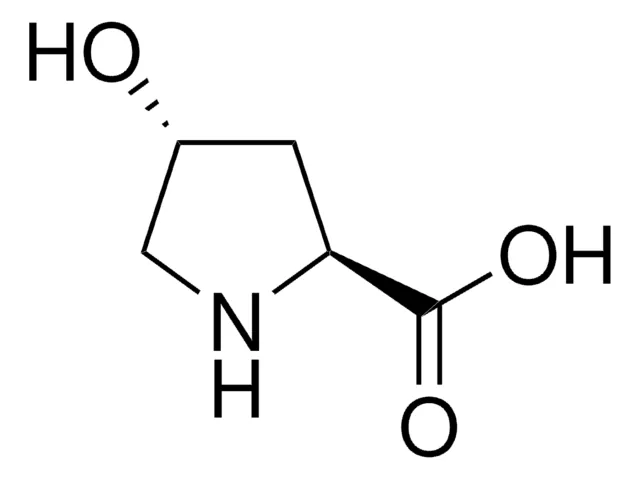
Hydroxyproline is a distinctive non-proteinogenic amino acid that serves as a critical component in the structure of collagen and has become a powerful tool in the field of peptide synthesis and design. Unlike the 20 standard amino acids directly incorporated by the ribosome, hydroxyproline is formed through a post-translational modification where proline residues within a protein chain are hydroxylated. This unique origin and its consequent structural effects make it an invaluable asset for peptide scientists aiming to control the stability, conformation, and function of synthetic peptides. Its strategic incorporation allows for the fine-tuning of peptide properties, enabling advances in biomedical research and therapeutic development.


Key Takeaways

  • Hydroxyproline is a major component of collagen, providing essential stability to its triple-helical structure.
  • The presence of the hydroxyl group induces conformational restraints and stereoelectronic effects that significantly influence the peptide backbone’s geometry and stability.

Chemical Fundamentals of Hydroxyproline

Structure and Discovery

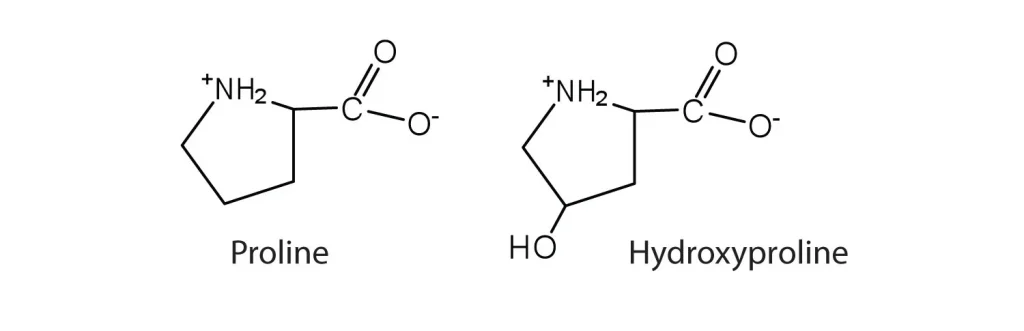
Hydroxyproline differs from its precursor, proline, by the presence of a single hydroxyl (OH) group attached to the gamma carbon atom of its pyrrolidine ring. This specific stereochemistry is crucial for its biological activity. This modification, although seemingly small, has profound implications for the physical and conformational properties of the peptides that contain it.

Biosynthesis: A Post-Translational Modification

A defining feature of hydroxyproline is that it is not directly encoded by DNA. Instead, it is manufactured within cells through the post-translational hydroxylation of proline residues that are already part of a protein chain.

The Role of Hydroxyproline in Protein Structure

Stabilization of the Collagen Triple Helix

Hydroxyproline is most renowned for its essential role in stabilizing collagen, the most abundant protein in mammals. The canonical collagen sequence features a repeating Gly-Xaa-Yaa pattern, where the proline in the Yaa position is frequently hydroxylated. This modification is not merely decorative; it is critical for the proper folding of the three polypeptide chains into a stable triple-helical structure at body temperature. The hydroxyl group on hydroxyproline stabilizes the helix primarily through stereoelectronic effects.

Find out more about peptide synthesis here.

Hydroxyproline in Peptide Synthesis and Engineering

Controlling Peptide Conformation

The strategic placement of hydroxyproline and its synthetic derivatives allows for precise control over peptide conformation. The 4-substituent on the proline ring exerts a strong influence on two key conformational equilibria: the ring pucker (endo vs. exo) and the amide bond geometry (cis vs. trans).

For instance, the natural 4(R)-hydroxyproline favors the exo ring pucker, which in turn stabilizes the trans amide bond. This knowledge can be used to pre-organize a peptide into a specific bioactive conformation, thereby enhancing its binding affinity for a target protein or its stability against degradation.

Synthetic Challenges and Solutions

The synthesis of peptides containing C-terminal proline or hydroxyproline residues presents a specific challenge: the potential formation of diketopiperazine (DKP). This side reaction occurs when the C-terminal dipeptide cyclizes, cleaving the peptide from the solid support.

Hydroxyproline

Applications and Functional Implications

The ability to incorporate hydroxyproline and its derivatives into synthetic peptides opens doors to numerous advanced applications:

  • Enhanced Stability: Incorporating hydroxyproline can stabilize desired secondary structures, such as turns and helices, making peptides more resistant to proteolytic degradation.
  • Biophysical Studies: Peptides labeled with fluorine or other spectroscopic probes at the 4-position of proline serve as powerful tools for studying protein structure and dynamics using NMR and other techniques.
  • Bioorthogonal Conjugation: Hydroxyproline-derived side chains with azide or alkyne groups allow for specific, site-selective conjugation to other molecules, such as fluorophores, lipids, or surfaces, without interfering with native functionality.

Find out about high-speed RUSH synthesis.

Frequently Asked Questions (FAQ)

Why is hydroxyproline considered an “unusual” amino acid?

Hydroxyproline is classified as “unusual” because it is not directly incorporated during protein synthesis. Instead, it is created by modifying a proline residue after the protein chain has been assembled on the ribosome, a process known as post-translational modification.

What is the primary structural difference between proline and hydroxyproline?

The key difference is structural: hydroxyproline has a hydroxyl group (-OH) attached to the gamma carbon of its pyrrolidine ring, which proline lacks. This small change has profound functional consequences, dramatically increasing the stability of collagen and influencing peptide conformation.

What special considerations are needed for synthesizing peptides with C-terminal hydroxyproline?

Peptides with proline or hydroxyproline at or near the C-terminus are susceptible to a side reaction called diketopiperazine (DKP) formation. This can be mitigated by using specialized solid-phase resins.

Can hydroxyproline be used to create stable collagen-like peptides?

Yes, absolutely. The presence of 4(R)-hydroxyproline in the Yaa position of the canonical Xaa-Yaa-Gly collagen repeat is essential for the stability of the collagen triple helix. Synthetic collagen mimetic peptides heavily rely on the incorporation of hydroxyproline to achieve a stable, native-like structure.

Ananthanarayanan, V. S. (1983). Structural Aspects of Hydroxyproline-Containing Proteins. Journal of Biomolecular Structure and Dynamics, 1(3), 843–855. https://doi.org/10.1080/07391102.1983.10507485

Pandey, A. K., Naduthambi, D., Thomas, K. M., & Zondlo, N. J. (2013). Proline Editing: A General and Practical Approach to the Synthesis of Functionally and Structurally Diverse Peptides. Analysis of Steric versus Stereoelectronic Effects of 4-Substituted Prolines on Conformation within Peptides. Journal of the American Chemical Society, 135(11), 4333–4363. https://doi.org/10.1021/ja3109664

Protease OMA1 Activity is Measured by MCA Fluorescent Peptide

MCA Fluorescent Peptide
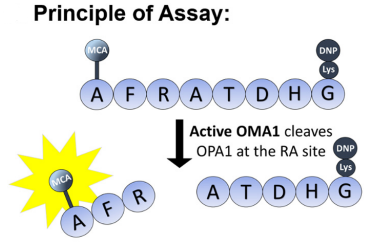
– Fig. 1. Basis of the OMA1 activity using fluorescence-based peptide.
Fluorescence is released when OMA1 recognizes and cleaves the OPA1 8-mer
peptide (fluorescence reporter) presumably at the RA site, from the cited paper

The continual fission and fusion the Mitochondria undergoes to change its shape and function are a key trait of the organelle, one that is regulated by the enzyme OMA1. However, there is little known regarding OMA1 due to the lack of a consistent method to measure its activity. More information is needed to truly gauge the role of OMA1 as a therapeutic agent. This is where one group sought to measure this activity utilizing a fluorescence-based reporter cleavage assay, one where the protease OMA1 activity is measured by MCA fluorescent peptide.

OMA1 activity measured by (MCA-AFRATDHG-(lys)DNP) peptide

The group arrived at this specific sequence as it includes the specific point on protein OPA1 (between the arginine and alanine) that OMA1 cleaves. They would then be able to spectrofluorometrically measure the fluorescent MCA moiety after the cleavage takes place. The assay proved successful in measuring the activity of OMA1, and in an inexpensive manner. The work clearly lays out the foundation for future studies of OMA1, in both its normal and abnormal pathology.

Julia Tobacyk, Nirmala Parajuli, Stephen Shrum, John P. Crow, Lee Ann MacMillan-Crow, The first direct activity assay for the mitochondrial protease OMA1, Mitochondrion, Volume 46, 2019, Pages 1-5, ISSN 1567-7249, https://doi.org/10.1016/j.mito.2019.03.001.

Revolutionary Antimicrobial Peptides: A New Hope in the Battle Against Citrus Greening

Antimicrobial Peptides

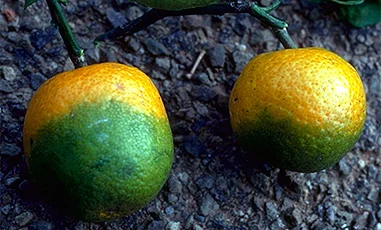
Citrus greening, or Huanglongbing (HLB), is a disease that devastates citrus production all over the world. The culprit behind HLB is the bacterium Candidatus Liberibacter spp. (e.g., CLas), an unculturable pathogen that has proven very difficult to treat. Once a tree is infected, it becomes unproductive and dies within years, costing the global citrus market billions. While current attempts to combat HLB rely on controlling the insect vector, scientists have turned some attention toward the potential of peptides. Their work displayed how antimicrobial peptides show promise for combatting citrus greening, mainly by methods against CLas itself.

Antimicrobial peptides effective against CLas bacteria

With not many current effective options to fight HLB, scientists believe the next area of interest is targeting the CLas secretory pathway using antimicrobial peptides provided by LifeTein. Specifically, the antimicrobial peptides would be blocking the TolC efflux pump protein. The study found three peptides capable of doing this by binding tightly with the TolC receptors and even the β barrel entrance of the protein as well. Treatment with peptides in this manner showed effective inhibition and even mortality in models closely resembling CLas.

The studies displayed using antimicrobial peptides show major promise for future treatment of HLB. With the chemical-resistant bacteria CLas being nearly impossible to slow down, peptides just may have been holding the solution all along. There is hope that new therapies can be developed utilizing the strategies shown, and global citrus production can rest easy after decades of HLB ravaging the farms.

Wang, Haoqi, Nirmitee Mulgaonkar, Samavath Mallawarachchi, Manikandan Ramasamy, Carmen S. Padilla, Sonia Irigoyen, Gitta Coaker, Kranthi K. Mandadi, and Sandun Fernando. 2022. “Evaluation of Candidatus Liberibacter Asiaticus Efflux Pump Inhibition by Antimicrobial Peptides” Molecules 27, no. 24: 8729. https://doi.org/10.3390/molecules27248729

Revolutionary LIPSTIC Method with LPETG Peptide Illuminates Receptor-Ligand Interactions In Vivo And In Vitro

LPETG Peptide
-LIPTSTIC mechanism, from the cited paper.

Cell interaction analysis is a cornerstone of biological research, providing critical insights into the intricate world of molecular communication within living organisms. While traditional microscopy offers a glimpse into these interactions, it often falls short when it comes to revealing the specific receptors and ligands involved. Enter a groundbreaking method known as Labeling Immune Partnerships by SorTagging Intercellular Contacts, or LIPSTIC for short, which has been developed by a team of innovative scientists using LPETG Peptide.

At the heart of LIPSTIC lies the ingenious combination of a fluorescent LPXTG peptide motif and Staphylococcus aureus transpeptidase Sortase A (SrtA), offering a highly effective means of tracking and studying cell interactions. This novel approach is readily detectable through flow cytometry, making it a game-changer in the field of biological research.

The LIPSTIC method hinges on the LPETG peptide and SrtA reaction, a technique that allows for the labeling of receptor and ligand interactions. LifeTein, a leading supplier in the life sciences industry, played a pivotal role by providing the necessary Biotin-ahx-LPETG peptide to the research group. In the LIPSTIC method, a noteworthy ligand or receptor is fused with a tag composed of five N-terminal glycine residues (G5). The SrtA enzyme then graciously donates the fluorescent peptide to this fusion, enabling precise monitoring of the acceptor cell post-separation.

One of the most impressive aspects of LIPSTIC is its versatility. It empowers scientists to analyze cell-cell interactions both in vitro and in vivo, offering a comprehensive understanding of molecular partnerships in various biological contexts. Moreover, LIPSTIC’s sensitivity is a standout feature, as it can even detect rare or low-intensity interactions that might have otherwise remained hidden.

In conclusion, the introduction of the LIPSTIC method marks a significant advancement in the field of cell interaction analysis. Its ability to unveil the intricacies of receptor-ligand interactions in living systems, along with its applicability in diverse research settings, positions LIPSTIC as a powerful tool for scientists striving to unlock the secrets of cellular communication.


Pasqual G, Chudnovskiy A, Tas JMJ, Agudelo M, Schweitzer LD, Cui A, Hacohen N, Victora GD. Monitoring T cell-dendritic cell interactions in vivo by intercellular enzymatic labeling. Nature. 2018 Jan 25;553(7689):496-500. doi: 10.1038/nature25442. Epub 2018 Jan 17. PMID: 29342141; PMCID: PMC5853129.

Exploring the Role of Methylated Peptides in Histone Methylation: A LifeTein Perspective

cell-penetration-peptide

Histone methylation, a process that can signal either transcriptional repression or activation, is increasingly recognized for its interrelation with DNA methylation in mammals. For instance, the targeting of DNA methylation is intricately linked to H3K9 methylation, a key regulatory mechanism in gene expression. The p53 gene, known as the guardian of the genome and frequently mutated in human cancers, is regulated by various PTMs, including methylation.

Post-translational modifications (PTMs) of histone proteins, such as acetylation, methylation, and phosphorylation, are pivotal in regulating chromatin dynamics. Among these, the role of methylation, particularly at arginine or lysine residues, stands out for its complexity and significance. LifeTein, a leader in peptide synthesis, has contributed significantly to this field by synthesizing mono-, di-, or tri-methylated peptides. These peptides are instrumental in studying protein-protein interactions, especially in the context of histone methylation.

LifeTein’s contribution to this research is highlighted in a study focusing on the ASHH2 CW domain, which recognizes the methylation state at lysine 4 of histone 3 N-terminal tails. This domain is crucial in recruiting the ASHH2 methyltransferase enzyme to histones. The study utilized H3 histone tail mimicking peptides, specifically monomethylated (ARTK(me1)QTAR), dimethylated (ARTK(me2)QTAR), and trimethylated (ARTK(me3)QTAR) peptides, all synthesized by LifeTein with a remarkable 95% purity as confirmed by mass spectrometry.

The research documented the assignment of a shortened ASHH2 CW construct, CW42, which showed similar binding affinity and better expression yields than previous constructs. This advancement is significant in understanding how different methylation states affect protein-peptide interactions. The study also performed 1H–15N HSQC-monitored titrations to determine the saturation point of the protein-peptide complex. The findings revealed that the CW42 domain, when bound to the monomethylated histone tail mimic, showed similar perturbations in shifts as the di- and tri-methylated instances.

In summary, LifeTein’s synthetic methylated peptides have been instrumental in advancing our understanding of histone methylation. Their high-purity peptides have enabled researchers to delve deeper into chromatin dynamics and gene regulation complexities, paving the way for future discoveries in epigenetic therapies and cancer treatment.

Read the full article on SpringerLink](https://link.springer.com/article/10.1007/s12104-018-9811-x) for more detailed insights into this groundbreaking research.