
KLH: Should My Peptide Be Conjugated To It?

KLH

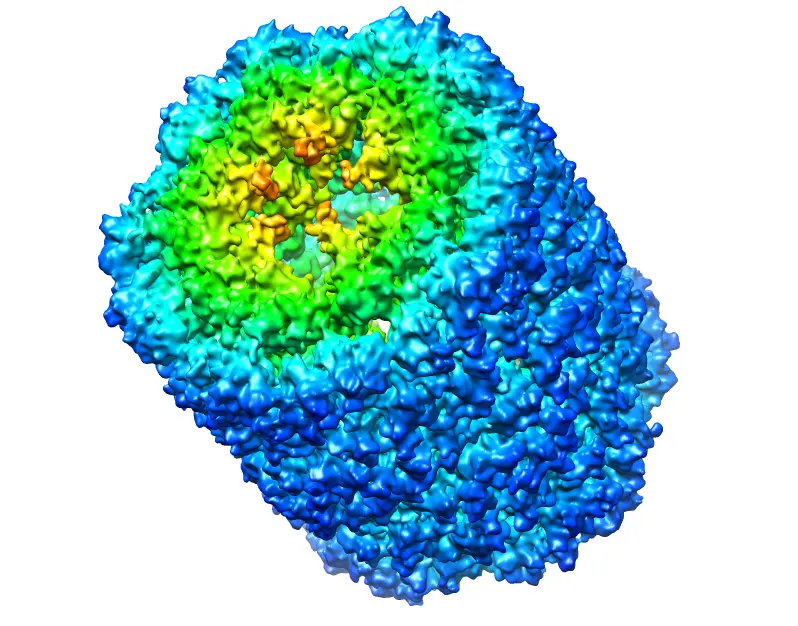
Keyhole limpet hemocyanin (KLH) is a well-established cornerstone in the generation of peptide-specific antibodies. As a large, highly immunogenic carrier protein sourced from the marine mollusk Megathura crenulata, its primary function is to provide the necessary T-cell help that small, weakly immunogenic peptide antigens lack on their own. The covalent conjugation of your peptide to KLH is often the decisive step in transforming a simple sequence into a potent immunogen capable of eliciting a robust and high-titer antibody response. However, this strategy is not universally optimal; a successful outcome hinges on understanding the benefits, potential pitfalls, and key alternatives before proceeding.


Key Takeaways

  • KLH is a powerful immunogenic carrier that provides T-cell epitopes, essential for generating strong, class-switched antibody responses against small peptides.
  • The primary goal of conjugation is to enhance immunogenicity. Keyhole limpet hemocyanin has been demonstrated as an optimal carrier, significantly outperforming other proteins in eliciting peptide-specific antibodies in comparative studies.
  • A significant drawback is the “carrier effect,” where the immune system can disproportionately target KLH-derived epitopes or terminal peptide “neo-epitopes,” potentially reducing the yield of antibodies against the core peptide of interest.
  • Strategic peptide design is critical. LifeTein recommends targeting solvent-exposed, flexible regions (often C- or N-terminal), using sequences of 8-20 amino acids, and managing hydrophobicity for solubility.
  • A key alternative is the Multiple Antigenic Peptide (MAP) system, which uses a branched lysine core to present multiple peptide copies without a biological carrier, thereby avoiding anti-carrier antibodies and focusing the response on the peptide.

What is KLH and Why is it Used?

KLH is a high-molecular-weight, copper-containing glycoprotein renowned for its strong immunogenicity and low toxicity in animals and humans. Its effectiveness stems from its size and complex structure, which are rich in foreign epitopes that can be recognized by helper T cells of the host immune system. Peptides, especially those shorter than 20 amino acids, are typically too small to be efficiently recognized by B cells and lack the necessary T-cell epitopes to stimulate a mature, high-affinity IgG response. By conjugating the peptide to Keyhole limpet hemocyanin, you effectively “piggyback” its presentation onto a protein that efficiently engages both arms of the adaptive immune system, leading to enhanced antibody titers and isotype maturation (e.g., increased IgG1).

The Compelling Benefits of KLH Conjugation

Superior Immunogenic Potency

Extensive research validates KLH’s role as the benchmark carrier. A pivotal study comparing carrier proteins for cancer antigen vaccines concluded that the covalent attachment to KLH was optimal for inducing potent antibody responses. Recent methodologies further leverage KLH’s potency by combining it with rational peptide sequence optimization, demonstrating that KLH-conjugated, engineered peptides elicit stronger antibody titers and improved affinity against native target sequences.

Find more peptide conjugation here.

Proven Conjugation Chemistry

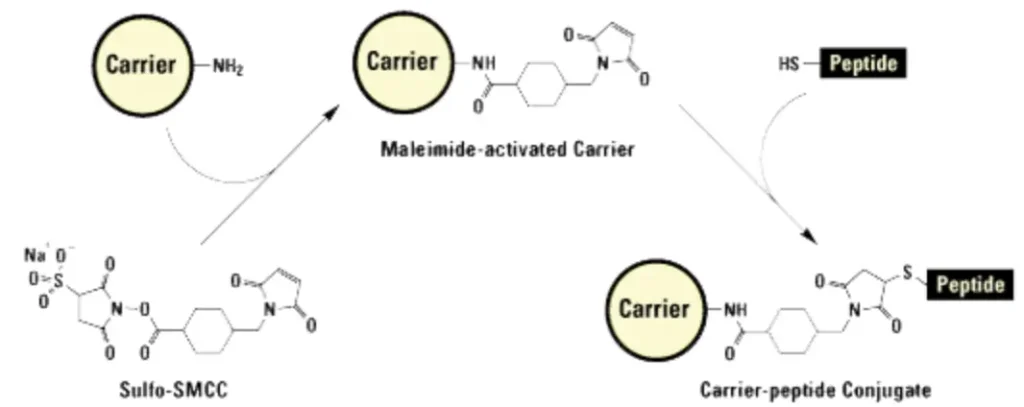
Reliable, kit-based methods exist for conjugating peptides to KLH. The two most common strategies are:

  • Maleimide Chemistry: Used for peptides with a terminal cysteine residue. The thiol group of cysteine forms a stable thioether bond with a maleimide-activated KLH molecule.
  • Carbodiimide (EDC) Chemistry: Used to conjugate peptides via carboxyl-to-amine crosslinking, typically targeting the N-terminus or lysine side chains of the peptide to lysines on KLH.
    These standardized protocols yield consistent conjugation efficiencies, allowing for predictable immunogen preparation.
KLH

Critical Considerations and Potential Drawbacks

The Carrier-Specific Response and Neo-Epitope Problem

A major consideration is that the immune system will also generate a vigorous response against KLH itself. This “carrier effect” is not inherently problematic but must be accounted for in assay design. More importantly, research indicates that antibodies raised against peptide-KLH conjugates can be disproportionately directed against the terminal amino acids of the peptide (the linkage region), creating “neo-epitopes” not present in the native, full-length protein. This can result in antisera with poor recognition of the target protein, as the most immunogenic part of the immunogen (the peptide terminus) is irrelevant to the final application.

Solubility and Handling Challenges

Keyhole limpet hemocyanin is notorious for its limited solubility, which can complicate conjugation and handling. While commercial formulations like PEGylated KLH improve solubility, this adds an extra layer of complexity. Furthermore, the large size of the KLH-peptide conjugate can sometimes cause steric hindrance, potentially masking the very epitope you aim to target, especially if it is internal rather than terminal.

Making the Decision: A Framework for Your Project

The choice to use KLH should be guided by your specific experimental goals and the nature of your peptide.

FactorFavor KLH ConjugationConsider Alternatives (e.g., MAPs)
Primary GoalMaximizing overall antibody titer for a challenging, small peptide.Focusing the immune response exclusively on the peptide sequence; avoiding carrier interference.
Peptide NaturePeptide is short (8-20 aa), linear, and has a terminal cysteine or lysine for clean conjugation.Peptide sequence is internal or poorly soluble; you require a defined, carrier-free immunogen.
Antibody UseSubsequent assays (e.g., ELISA, WB) can be designed to minimize KLH interference.You need antisera for direct cell surface staining or functional assays where anti-KLH antibodies could cause background.
Technical PreferenceYou prefer established, kit-based conjugation protocols.You want direct control over the molar amount of peptide immunogen without a variable carrier protein.

The Multiple Antigenic Peptide (MAP) Alternative

A powerful alternative to carrier conjugation is the Multiple Antigenic Peptide (MAP) system. This involves synthesizing your peptide on a branched lysine core, creating a macromolecule where the peptide itself constitutes up to 95% of the mass. MAPs are intrinsically immunogenic due to their size and high epitope density, requiring no foreign carrier protein. This eliminates the anti-KLH response and focuses the immune system entirely on the peptide antigen, which can be advantageous for generating highly specific antibodies.

Find out more about peptide synthesis here.

Frequently Asked Questions (FAQ)

Is KLH safe to use for immunization?

Yes. KLH is widely used in both research and clinical settings due to its high immunogenicity and low toxicity. It has been employed in human cancer vaccine trials and as an immunomodulator for decades.

How many peptides should I conjugate to each KLH molecule?

A high ratio is standard. Protocols often use a molar ratio of 80:1 (peptide:KLH) or similar to ensure the carrier surface is densely decorated with hapten, maximizing B-cell receptor engagement. Commercial activation kits are optimized to provide a high number of conjugation sites per KLH molecule.

Can I use something other than KLH as a carrier?

Yes, other proteins like bovine serum albumin (BSA) or ovalbumin (OVA) are common. However, KLH is generally preferred for primary immunization due to its superior foreignness and immunogenicity. BSA or OVA are often used as coating antigens in assay development to avoid detecting anti-carrier antibodies from the serum.

Where can I get help designing my peptide antigen and conjugation strategy?

Specialized peptide service providers like LifeTein offer free bioinformatics tools and expert support for peptide antigen design, considering factors like solubility, hydrophilicity, and conjugation site selection to maximize your chances of success.

References:

Chen, C.-H., Chiu, Y.-C., Huang, K.-Y., Huang, H.-H., Kuo, T.-W., Liu, Y.-C., Kao, H.-J., Yu, C.-L., Weng, S.-L., & Liao, K.-W. (2025). A Reproducible Sequence-Level Strategy to Enhance Peptide Immunogenicity While Preserving Wild-Type Epitope Recognition. Antibodies, 14(4), 106. https://doi.org/10.3390/antib14040106

Aarntzen, E. H. J. G., de Vries, I. J. M., Göertz, J. H., Beldhuis-Valkis, M., Brouwers, H. M. L. M., van de Rakt, M. W. M. M., van der Molen, R. G., Punt, C. J. A., Adema, G. J., Tacken, P. J., Joosten, I., & Jacobs, J. F. M. (2012). Humoral anti-KLH responses in cancer patients treated with dendritic cell-based immunotherapy are dictated by different vaccination parameters. Cancer Immunology, Immunotherapy, 61(11), 2003–2011. https://doi.org/10.1007/s00262-012-1263-z

Kim, S. K., Ragupathi, G., Cappello, S., Kagan, E., & Livingston, P. O. (2000). Effect of immunological adjuvant combinations on the antibody and T-cell response to vaccination with MUC1–KLH and GD3–KLH conjugates. Vaccine, 19(4–5), 530–537. https://doi.org/10.1016/s0264-410x(00)00195-x

Pon, R., Marcil, A., Chen, W., Gadoury, C., Williams, D., Chan, K., Zhou, H., Ponce, A., Paquet, E., Gurnani, K., Chattopadhyay, A., & Zou, W. (2020). Masking terminal neo-epitopes of linear peptides through glycosylation favours immune responses towards core epitopes producing parental protein bound antibodies. Scientific Reports, 10(1). https://doi.org/10.1038/s41598-020-75754-7

Oyelaran, O., & Gildersleeve, J. C. (2010). Evaluation of human antibody responses to keyhole limpet hemocyanin on a carbohydrate microarray. PROTEOMICS – Clinical Applications, 4(3), 285–294. https://doi.org/10.1002/prca.200900130

Unusual Amino Acids: Octahydroindole-2-carboxylic acid (Oic)

Octahydroindole-2-carboxylic acid

Octahydroindole-2-carboxylic acid (Oic) is a prominent non-proteinogenic, bicyclic amino acid that has become an indispensable tool in advanced peptide design and peptidomimetic chemistry. As a conformationally constrained analogue of proline, Oic introduces significant backbone rigidity and enhanced lipophilicity when incorporated into peptide sequences. These properties are strategically employed to overcome major limitations of therapeutic peptides, such as poor metabolic stability and low bioavailability, by stabilizing specific secondary structures and improving membrane permeability. Consequently, Oic serves as a critical building block in pharmaceuticals, notably in antihypertensive drugs like perindopril and trandolapril, and in clinical-stage compounds for conditions ranging from hereditary angioedema to neurodegenerative diseases.


Key Takeaways

  • Conformational Constraint: Oic’s bicyclic structure imparts significant rigidity to the peptide backbone, effectively stabilizing turns and helices and drastically reducing conformational flexibility.
  • Enhanced Lipophilicity: The fused cyclohexane ring increases the hydrophobic character of the amino acid, which can improve a peptide’s passive membrane permeability and overall bioavailability.
  • Stereochemical Complexity: With three stereogenic centers, Oic has eight possible stereoisomers. The (2S,3aS,7aS)-isomer (L-Oic) is the most prevalent in drug applications, with each isomer offering unique conformational properties.
  • Synthetic Accessibility: Oic is used in peptide synthesis via commercially available, orthogonally protected derivatives like Fmoc-L-Oic-OH and Boc-L-Oic-OH, which are compatible with standard solid-phase peptide synthesis (SPPS) protocols.
  • Proteolytic Stability: Peptides incorporating Oic exhibit increased resistance to enzymatic degradation, as the rigid structure and non-natural character hinder protease recognition and cleavage.

Chemical Structure and Fundamental Properties

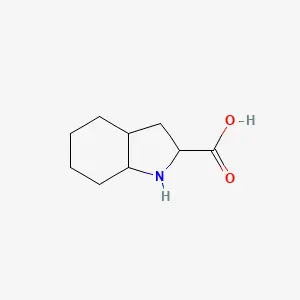
Octahydroindole-2-carboxylic acid features a bicyclic system comprising a proline-like pyrrolidine ring fused to a cyclohexane ring. This structure classifies it as a bicyclic proline analogue. The complete saturation of the system (octahydro-) contributes to its high lipophilicity compared to standard amino acids.

A key feature of Oic is its stereochemical complexity. The molecule possesses three chiral centers (at the 2, 3a, and 7a positions), leading to eight possible stereoisomers. The specific (2S,3aS,7aS) configuration, known as L-Oic, is the isomer most commonly employed in pharmaceutical and peptide research due to its commercial availability and proven utility in bioactive compounds. The stereochemistry at these centers critically influences the three-dimensional orientation of the cyclohexane ring, which in turn dictates the conformational impact Oic exerts on a peptide chain.

Find out more about peptide synthesis here.

Conformational Impact on Peptide Structure

Induction of Backbone Rigidity

The primary structural effect of incorporating Oic is the severe restriction of the φ and ψ backbone dihedral angles at the site of incorporation. This backbone rigidity reduces the entropic penalty upon binding to a target and helps pre-organize the peptide into a bioactive conformation.

Stabilization of Polyproline II Helices

Research has demonstrated that oligomers of Oic spontaneously form stable polyproline type II (PPII) helices, which are extended, left-handed helical structures. The fused cyclohexane ring in a chair conformation anchors the pyrrolidine ring in an exo puckering, which strongly favors the trans configuration of the preceding amide bond. This preference propagates through the chain, leading to a cooperative stabilization of the entire PPII helix. This makes Oic an ideal building block for constructing stable, hydrophobic PPII scaffolds, which are relevant in molecular recognition and biomaterial science.

Promotion of Beta-Turns

In shorter peptide sequences, Oic is exceptionally effective at nucleating and stabilizing beta-turn structures, particularly type II’ β-turns. Its constrained geometry perfectly accommodates the *i+1* or *i+2* position of a turn, making it a valuable tool for cyclizing peptides or mimicking surface loops of proteins in drug design.

Octahydroindole-2-carboxylic acid
Possible configuration of Octahydroindole-2-carboxylic acid (Oic)

Synthesis and Incorporation into Peptides

Synthetic Routes to Oic

The synthesis of enantiomerically pure Oic, especially non-commercial stereoisomers, presents a considerable challenge due to its three stereocenters. Methodologies reported in the literature include:

  • Stereoselective synthesis from chiral precursors.
  • Diastereomeric resolution of racemic mixtures via salt formation or chromatography.
  • Epimerization and selective functionalization strategies, such as the formation of a trichloromethyloxazolidinone derivative to separate epimers.
    Industrial routes, as detailed in patents for drugs like trandolapril, often involve multi-step sequences starting from materials like L-serine or indoline-2-carboxylic acid.

Use in Solid-Phase Peptide Synthesis (SPPS)

For peptide chemists, Oic is readily incorporated using standard Fmoc-SPPS or Boc-SPPS strategies. The amino acid is commercially available in forms suitable for these techniques:

Protected FormCAS NumberCommon UseKey Feature
Fmoc-L-Oic-OH130309-37-4Fmoc-SPPSBase-labile Fmoc protection allows for iterative coupling.
Boc-L-Oic-OH109523-13-9Boc-SPPSAcid-labile Boc protection.
L-Oic-OH (unprotected)80875-98-5General synthesisFree amino acid for solution-phase synthesis or as a starting material.

These derivatives ensure efficient and selective incorporation into growing peptide chains on automated synthesizers.

Applications in Pharmaceutical and Peptide Science

Oic’s unique properties have led to its successful integration into several high-profile therapeutic agents:

  • Antihypertensive Drugs: Oic is the key dipeptide mimic in perindopril and trandolapril, both angiotensin-converting enzyme (ACE) inhibitors. Its rigid structure is critical for potent enzyme binding.
  • Bradykinin B2 Receptor Antagonists: The drug icatibant (HOE 140), used to treat hereditary angioedema, contains Oic as a substitute for proline, conferring potent antagonism and high metabolic stability.
  • Enzyme Inhibitors: Oic-based compounds like S 17092 are potent inhibitors of prolyl oligopeptidase (POP), a target for cognitive disorders, showcasing their utility in neuropharmacology.
  • Peptidomimetic Design: Beyond direct incorporation, Oic serves as a versatile core structure for designing quaternary amino acid derivatives and other functionalized scaffolds with potential applications in treating joint cartilage damage and as antithrombotic agents.

Find out about high-speed RUSH synthesis.

Frequently Asked Questions (FAQ)

What is the main advantage of using Oic over proline in a peptide?

While both induce conformational constraint, Oic provides significantly greater backbone rigidity and lipophilicity due to its fused, saturated bicyclic structure. This often translates to superior proteolytic stability and enhanced bioavailability in peptide-based therapeutics.

Can Oic be used in standard automated peptide synthesizers?

Yes, absolutely. The commercially available Fmoc-L-Oic-OH and Boc-L-Oic-OH derivatives are fully compatible with standard solid-phase peptide synthesis (SPPS) protocols and coupling reagents, allowing for seamless integration into automated synthesis workflows.

Why is the stereochemistry of Oic so important?

The three-dimensional shape of Oic, dictated by its three stereocenters, determines how it influences peptide folding. Different stereoisomers will project the fused cyclohexane ring in distinct spatial orientations, which can either stabilize or destabilize a desired peptide conformation and dramatically affect binding to a biological target.

Is Oic a natural amino acid?

No, octahydroindole-2-carboxylic acid is a non-proteinogenic, synthetic amino acid. It is not encoded by DNA and is not found in naturally occurring ribosomal proteins, though motifs similar to its structure exist in some complex natural products like aeruginosins.


Sayago, F. J., Isabel Calaza, M., Jiménez, A. I., & Cativiela, C. (2008). Versatile methodology for the synthesis and α-functionalization of (2R,3aS,7aS)-octahydroindole-2-carboxylic acid. Tetrahedron, 64(1), 84–91. https://doi.org/10.1016/j.tet.2007.10.095

Sayago, F. J., Jiménez, A. I., & Cativiela, C. (2007). Efficient access to N-protected derivatives of (R,R,R)- and (S,S,S)-octahydroindole-2-carboxylic acid by HPLC resolution. Tetrahedron: Asymmetry, 18(19), 2358–2364. https://doi.org/10.1016/j.tetasy.2007.09.006