Product Description | 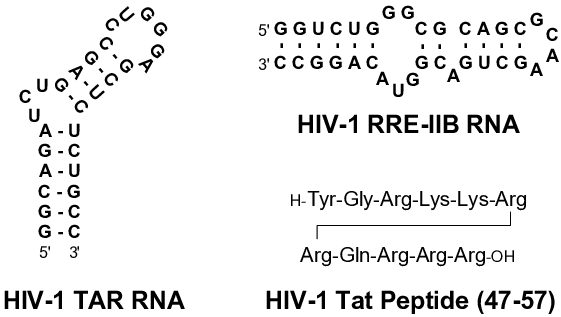 The peptide GRKKRRQRRRPQ is a short HIV-1 TAT-derived cell-penetrating peptide (CPP) used for intracellular delivery and peptide transduction studies. This arginine- and lysine-rich sequence contains multiple basic residues that promote interaction with negatively charged cell-surface components and support uptake into a wide range of mammalian cells. TAT-derived CPPs are among the most widely studied protein transduction domains. They have been used to deliver or enhance cellular uptake of peptides, proteins, nucleic acids, nanoparticles, imaging probes, and other research cargos. The compact sequence length and strong cationic character make this peptide useful as a modular delivery tag or as a reference CPP in formulation and intracellular delivery studies. Applications in Cell-Penetrating Peptide Research - Intracellular delivery of peptides and protein cargos
- CPP-mediated uptake and membrane translocation studies
- Fusion peptide design and peptide-cargo conjugation
- Nanoparticle, liposome, and imaging probe delivery research
- Comparison studies with R8, R9, penetratin, and other CPPs
Mechanism of Cellular Uptake The TAT CPP sequence is enriched in arginine and lysine residues. These cationic side chains interact with negatively charged membrane components such as phospholipids and cell-surface glycosaminoglycans. Depending on concentration, cargo, cell type, and formulation conditions, TAT-mediated uptake may involve endocytosis, macropinocytosis, and direct membrane translocation-related pathways. Because uptake behavior can vary with experimental conditions, this peptide is commonly used as a positive control or benchmark CPP when comparing new peptide delivery systems. Use in Peptide and Cargo Conjugation GRKKRRQRRRPQ can be synthesized as a standalone CPP or incorporated into longer chimeric peptides. It may also be modified with linkers, fluorescent labels, biotin, cysteine, lipid groups, or PEG spacers depending on the intended application. For researchers developing conjugated delivery systems, related CPP formats such as Cys(Npys)-(Arg)9 can provide a thiol-reactive handle for disulfide-linked cargo attachment and intracellular release studies. Advantages of TAT CPP Peptide - Short and well-characterized HIV-1 TAT-derived CPP sequence
- Strong cationic charge from arginine and lysine residues
- Useful for peptide, protein, nucleic acid, and nanoparticle delivery research
- Suitable as a reference CPP for intracellular delivery studies
- Compatible with custom modifications and conjugation strategies
|
Scientific Background | HIV-1 TAT-derived GRKKRRQRRRPQ is a synthetic HIV-derived research peptide. Synthetic peptides derived from HIV proteins have long been used to map B-cell and T-cell determinants, define HLA-restricted cytotoxic T-lymphocyte epitopes, study viral protein interactions, and provide sequence-defined controls for immunological assays. Because HIV proteins are highly variable and peptide function depends strongly on the source protein, residue range, viral subtype, and HLA allele, biological interpretation should be made for the exact product sequence rather than for HIV-derived peptides as a single class. |
Experimental Notes | For antigenic or viral peptides, HLA restriction, cellular response, and immunological activity should not be inferred solely from the source protein name; the exact sequence, residue numbering, strain or genotype, and experimental system should be considered. For labeled or otherwise modified variants, the modification may also affect binding or assay behavior. |