




LifeTein supports peptide drug conjugation projects in which a targeting peptide, linker system, and payload are assembled into a research-use construct. These projects may involve small-molecule payloads, fluorescent probes, imaging reagents, PEGs, lipids, or other functional components depending on the design goal.
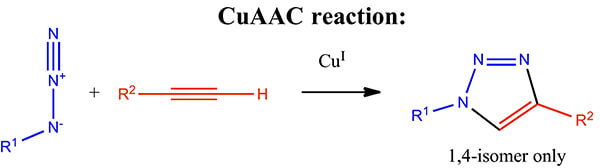
The most practical conjugation route depends on the peptide sequence, the payload functionality, the desired attachment site, and whether the construct must remain orthogonal to other reactive groups. For many peptide drug conjugation projects, maleimide–thiol chemistry is an efficient starting point when a defined cysteine is available. Click-compatible routes become more attractive when the payload architecture is more complex or when dual-functional assembly is needed.
| Typical components | Targeting peptide, payload, linker, spacer, and optional reporter or secondary handle |
| Common route | Maleimide–thiol ligation for defined cysteine attachment |
| Alternative route | Click-compatible assembly for multifunctional or orthogonal designs |
| Project types | Peptide–payload constructs, peptide–dye conjugates, peptide–PEG–payload architectures, and delivery-oriented research constructs |
| Related formats | Peptide–oligonucleotide conjugates, peptide-lipid systems, and PEGylated peptide constructs |
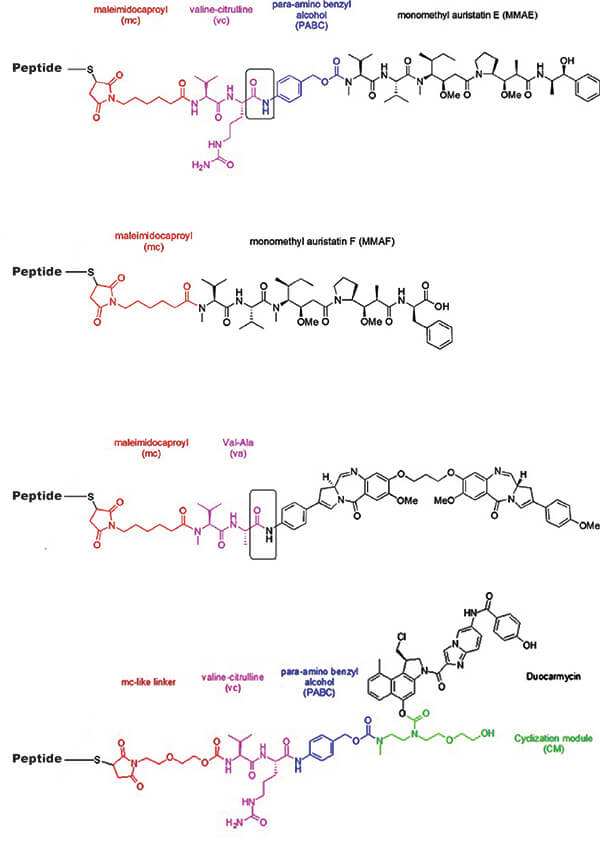
Reference image shown for representative peptide–payload architecture.
Planning a peptide–payload construct?
We can help review the peptide, payload, linker, and attachment strategy and suggest whether a direct maleimide route or a click-compatible assembly is more appropriate.
Need a quote?
